
DECODING CONFIDENCE
Applying Lextant Contextual Research to define the ideal experience for the world's most visible user.
Applying Lextant Contextual Research to define the ideal experience for the world's most visible user.
Every single day, over 35 million presentations are delivered to roughly 500 million people. Despite the scale of this activity, the design of presentation environments and tools has historically ignored the primary user: The Presenter. While countless resources focus on audience engagement, our research identified that presenters themselves are left unsupported, forced to battle technical glitches, environmental discomfort, and a profound lack of control. This friction doesn't just cause anxiety; it actively hinders confidence and degrades the quality of communication.
This project was a deep-dive contextual research study aimed at identifying the "Strategic Gap" in the presentation experience. Using the Lextant methodology, our team moved beyond surface-level complaints to uncover the core emotional driver of a successful presentation - Confidence. We translated these human insights into a strategic framework and a 3-part design proposal for the next generation of presentation ecosystems.
Presentations are pivotal for learning and business, but their design ignores the presenter. Technical glitches, poor environments, and a lack of control create friction that shatters confidence and hinders message delivery. Our challenge was to shift the focus from the audience to the presenter and define the deep, unmet needs for an ideal experience.
Current presentation technology is designed for the room or the audience, leaving the presenter to manage technical friction, environmental discomfort, and psychological stress alone.
Presenters are treated as "transient users," resulting in furniture and tech interfaces that don't accommodate their specific physical and cognitive needs. "Confidence" is the universal goal, but what drives it? The specific emotional and functional enablers of confidence were completely undefined.
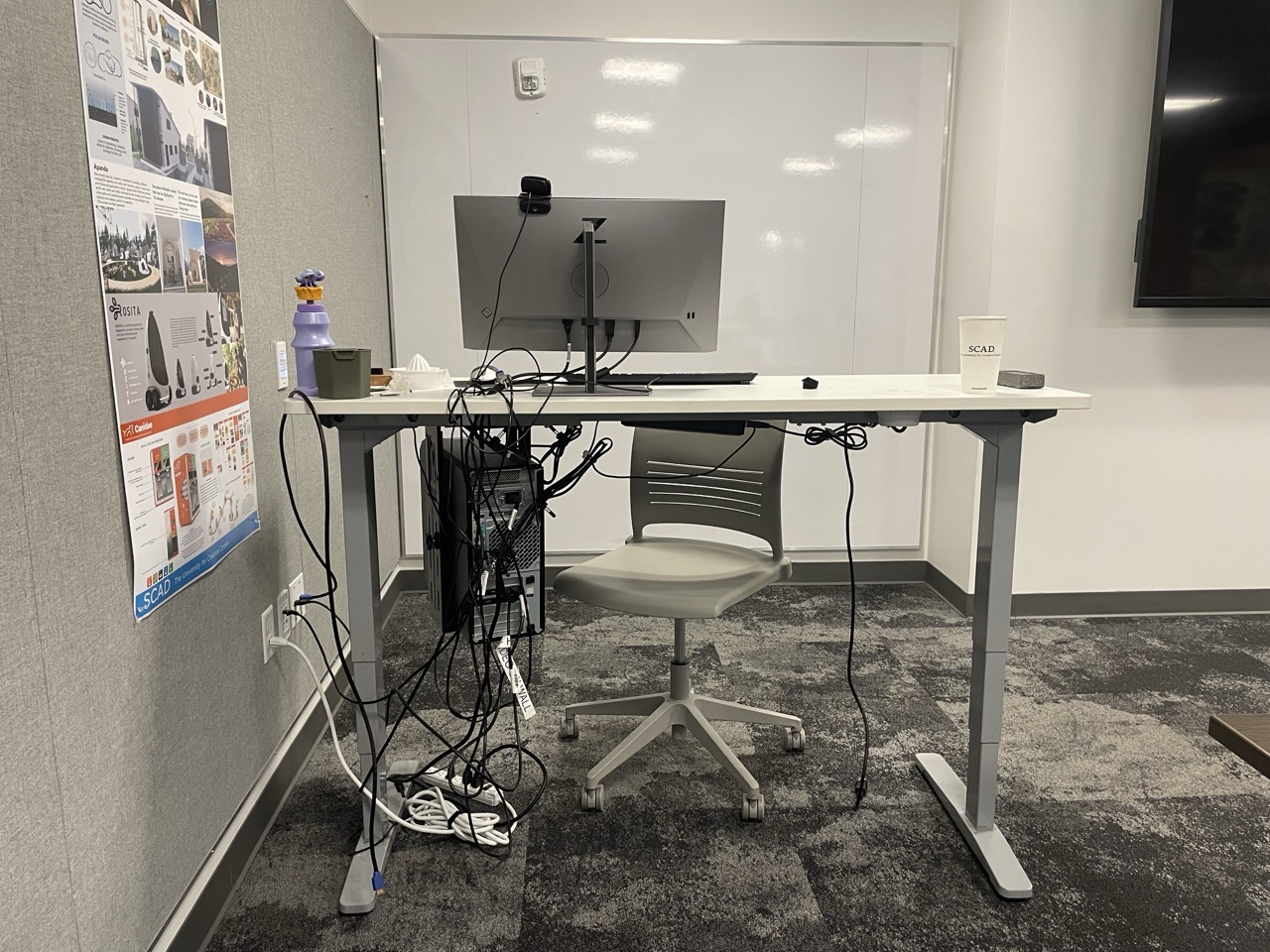
Messy, unreliable, and confusing technology setups are the primary source of presenter anxiety and a key barrier to appearing professional. The transition between preparation and delivery is broken. "Fumbling with wires" isn't just a technical glitch; it's a direct assault on the presenter's professional image.
Environmental factors like lighting and height are often fixed or difficult to adjust, forcing the user to adapt to the room rather than the room adapting to the user. Presenters feel like guests in the space, unable to control simple environmental factors like lighting or sound, making them feel powerless and disconnected.
Grounded in Lextant's methodology, our process was designed to uncover latent needs - the unspoken truths that users can't or don't articulate. We translated these observations into actionable strategic insights. Our process was a sequence of 4 stages:
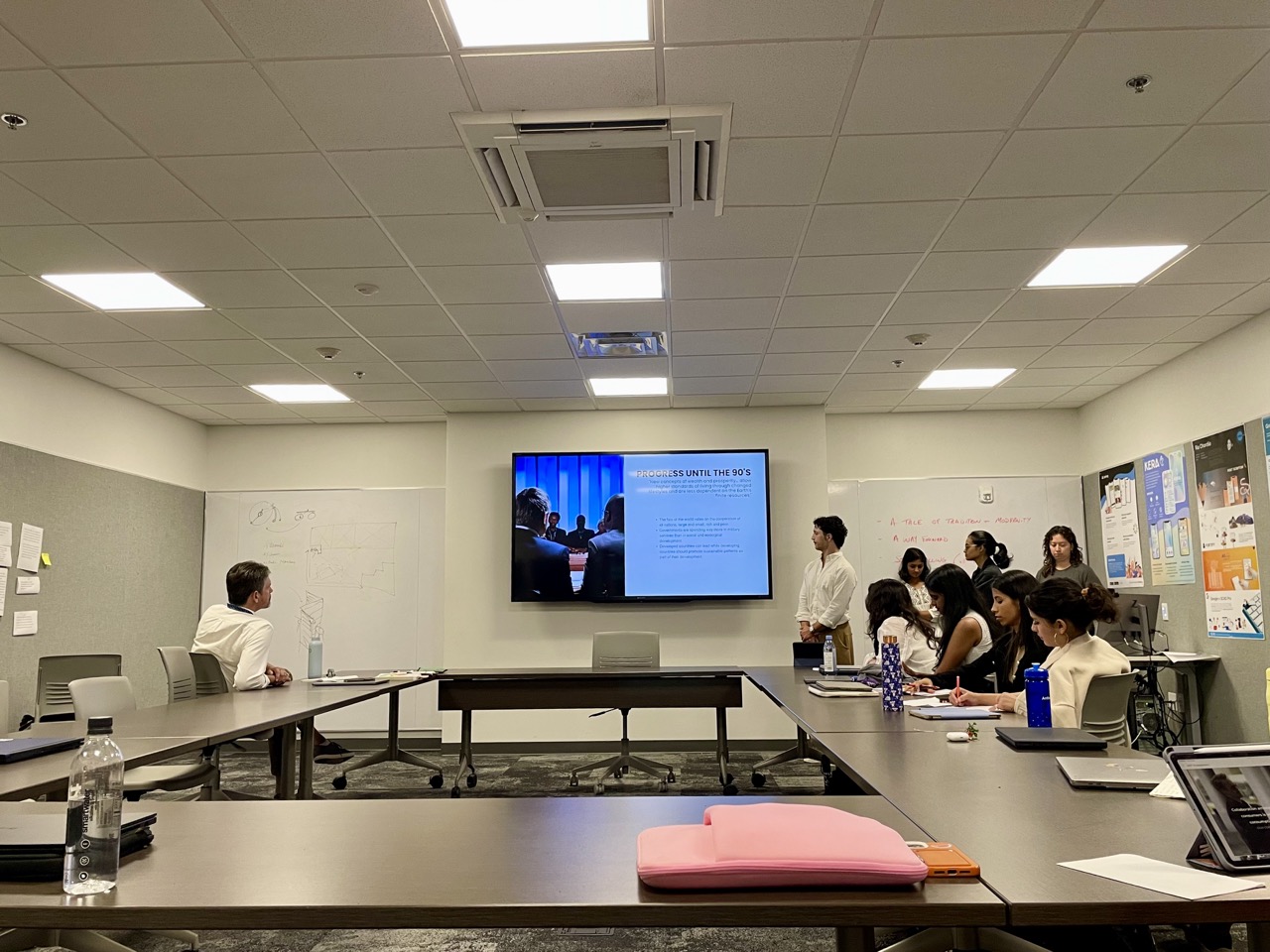
In-situ observations and ethnographic interviews to capture real-time pain points. We observed presenters in their "native" classroom settings, noting pain points and workarounds as they happened. These non-participant observations shaped a large portion of external factors that affected the experience of the presenter.
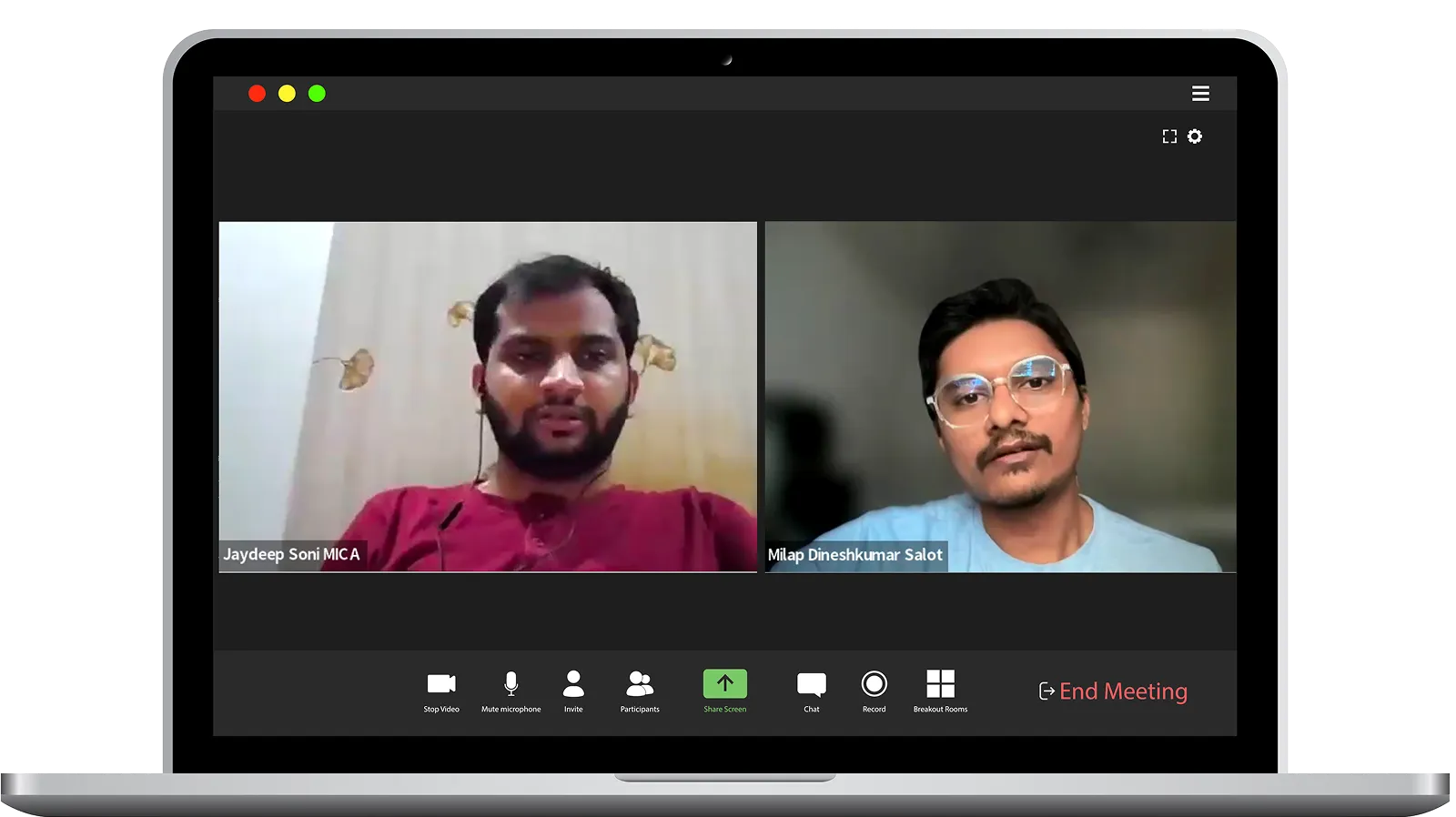
We conducted structured conversations to unpack the motivations and anxieties behind the observed behaviors. We created a screener survey to select a diverse yet relevant interview participants and conducted in-person and online interviews that uncovered internal forces for ideal experience of the presenter.
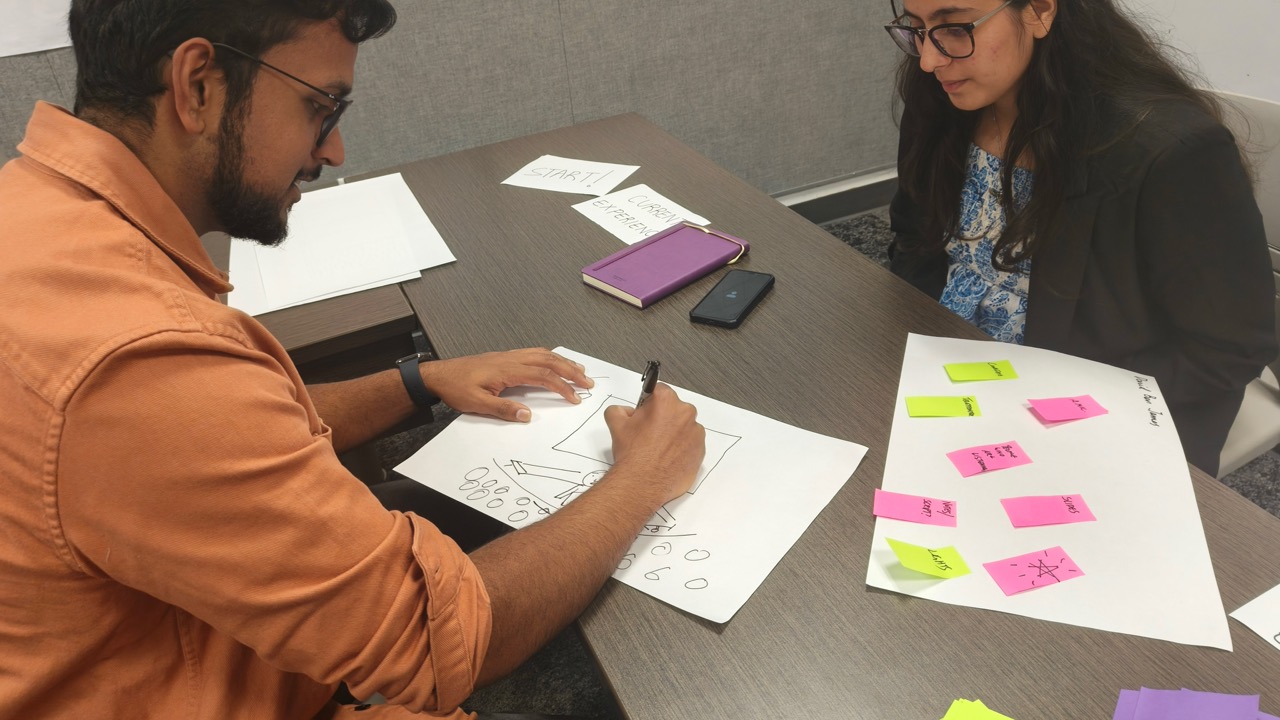
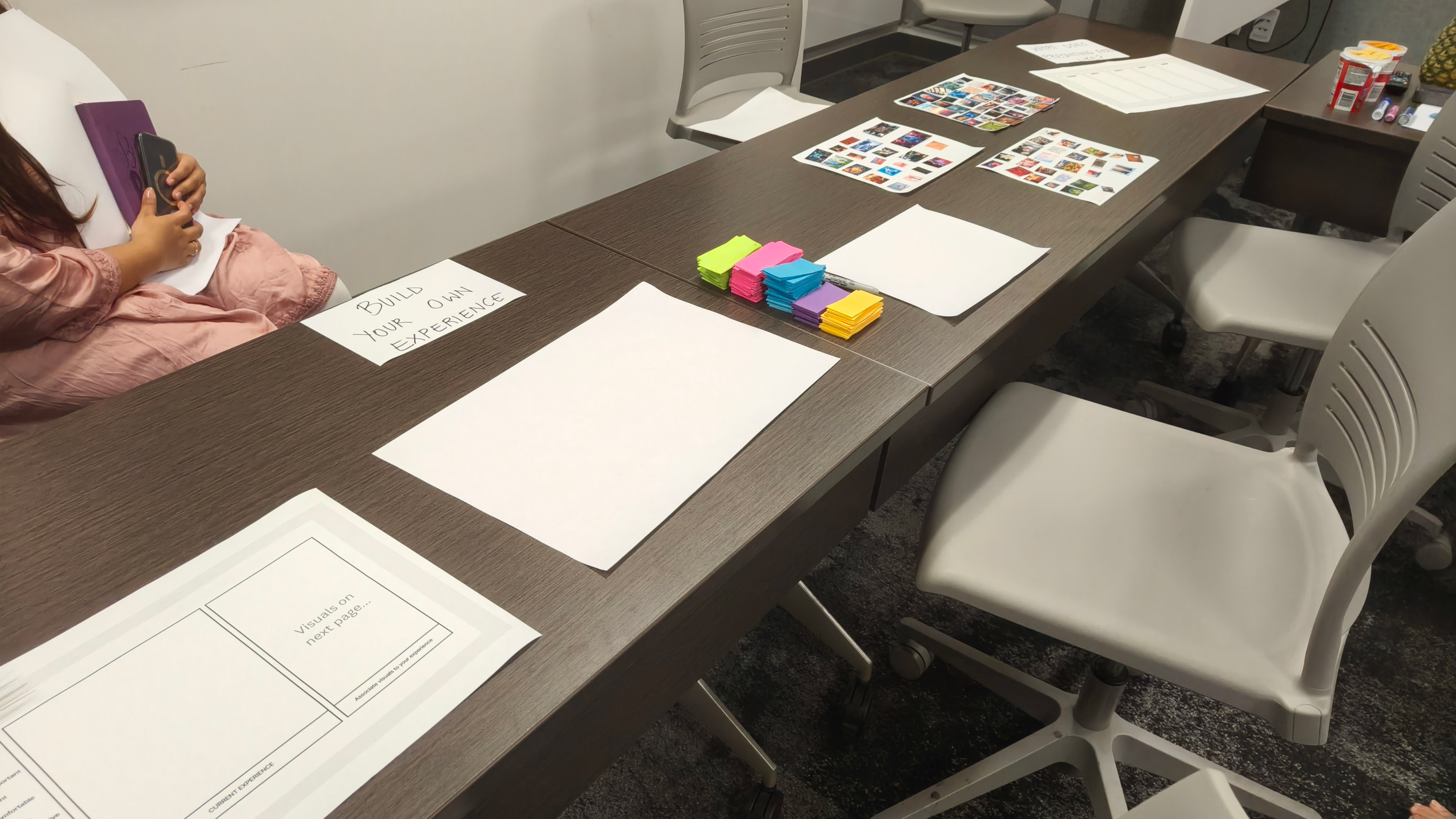
Workshop-based exercises where users attribute emotional values to sensory inputs. Participants used visual and tactile prompts to articulate the non-verbal, emotional factors of their ideal experience. We created a sensory cues workshop kit that was 4 stages of visual and tactile selection followed by a short but sharp interview to reveal the deeper connections with touch and feel of products and spaces.
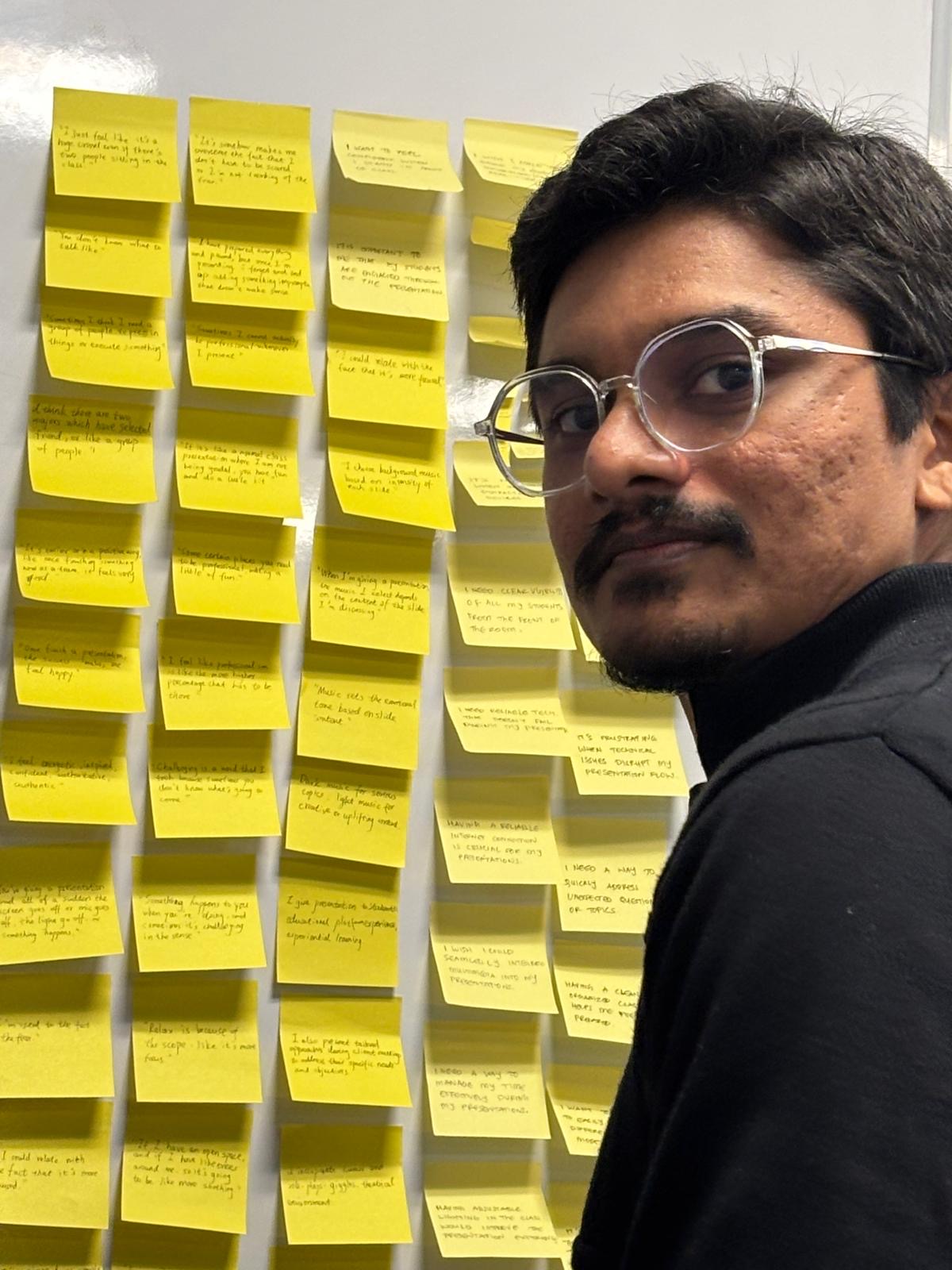
Clustering qualitative data to find dominant themes and unmet needs. We systematically clustered hundreds of raw data points, identifying patterns and translating them into core strategic themes. These themes were then clustered again to ultimately derive strategic and actionable insights that can shape the framework.

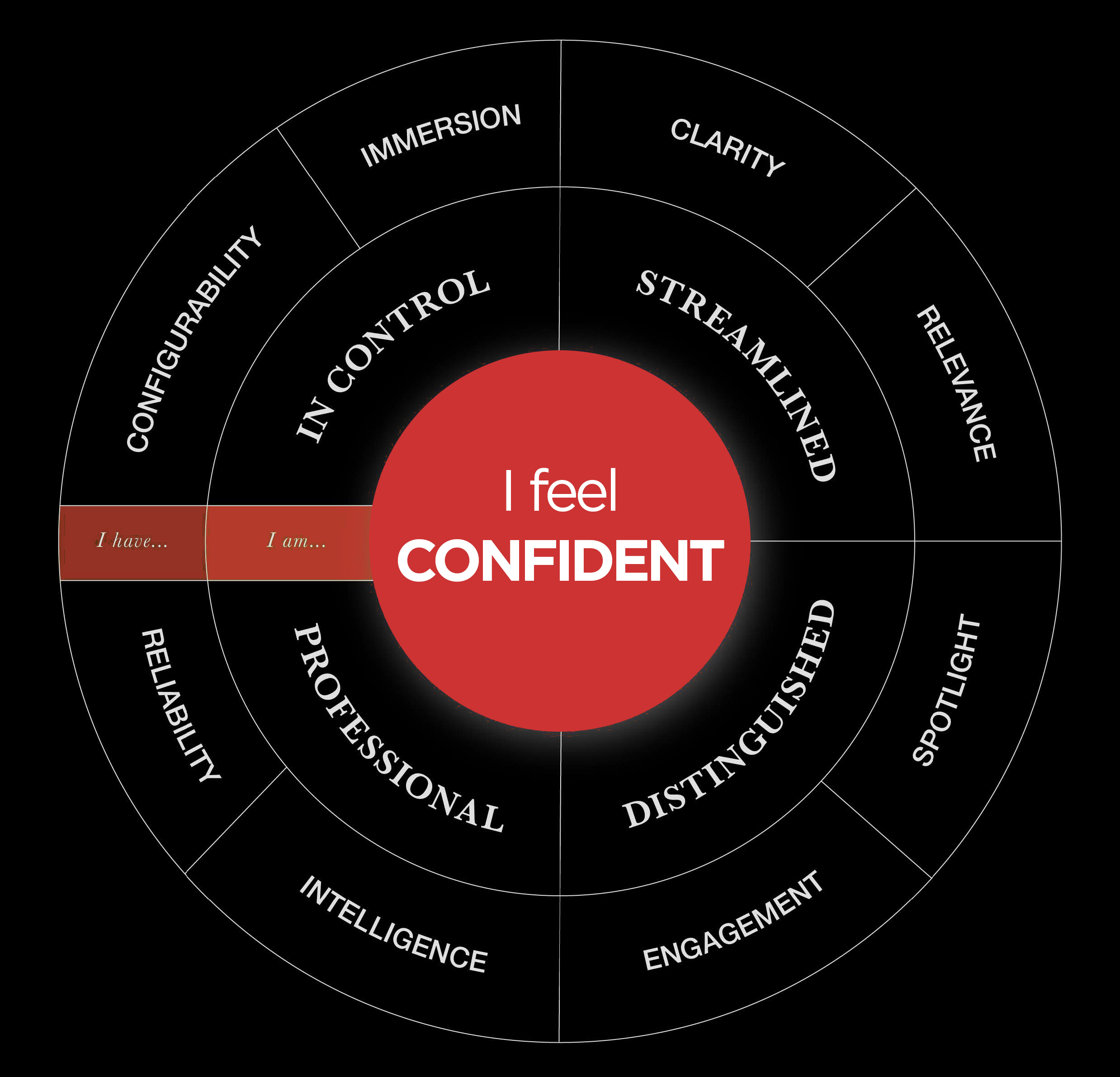
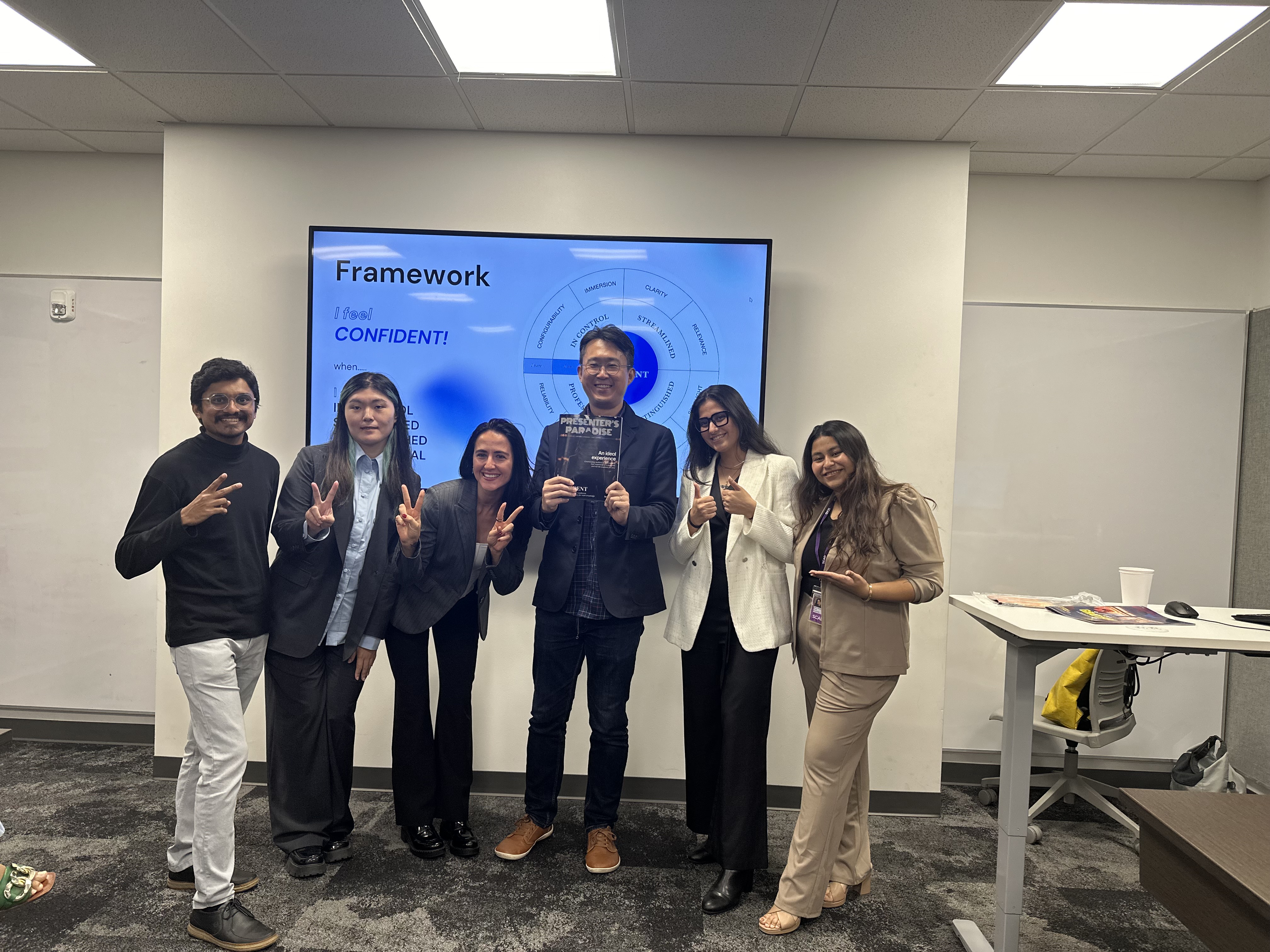
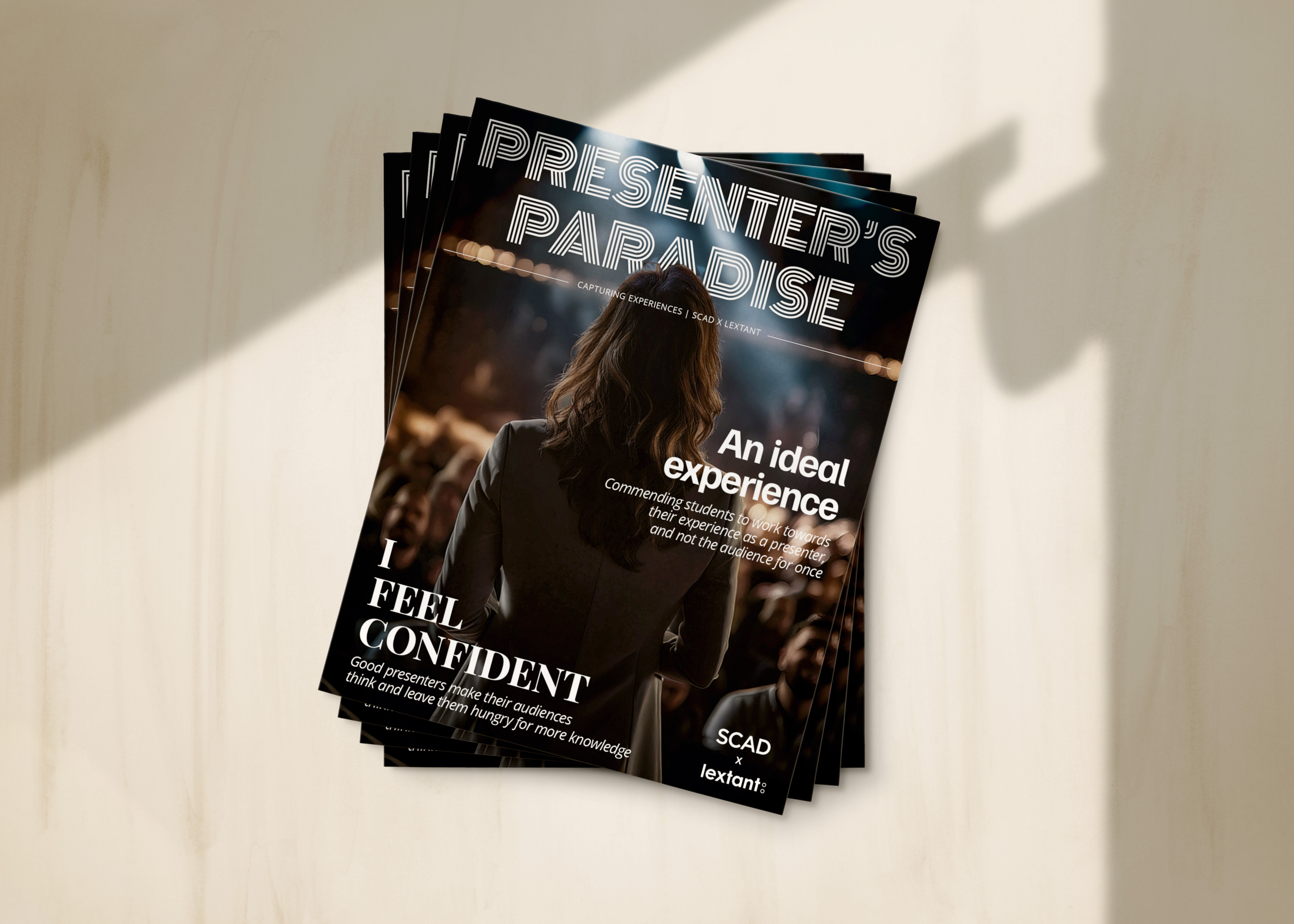
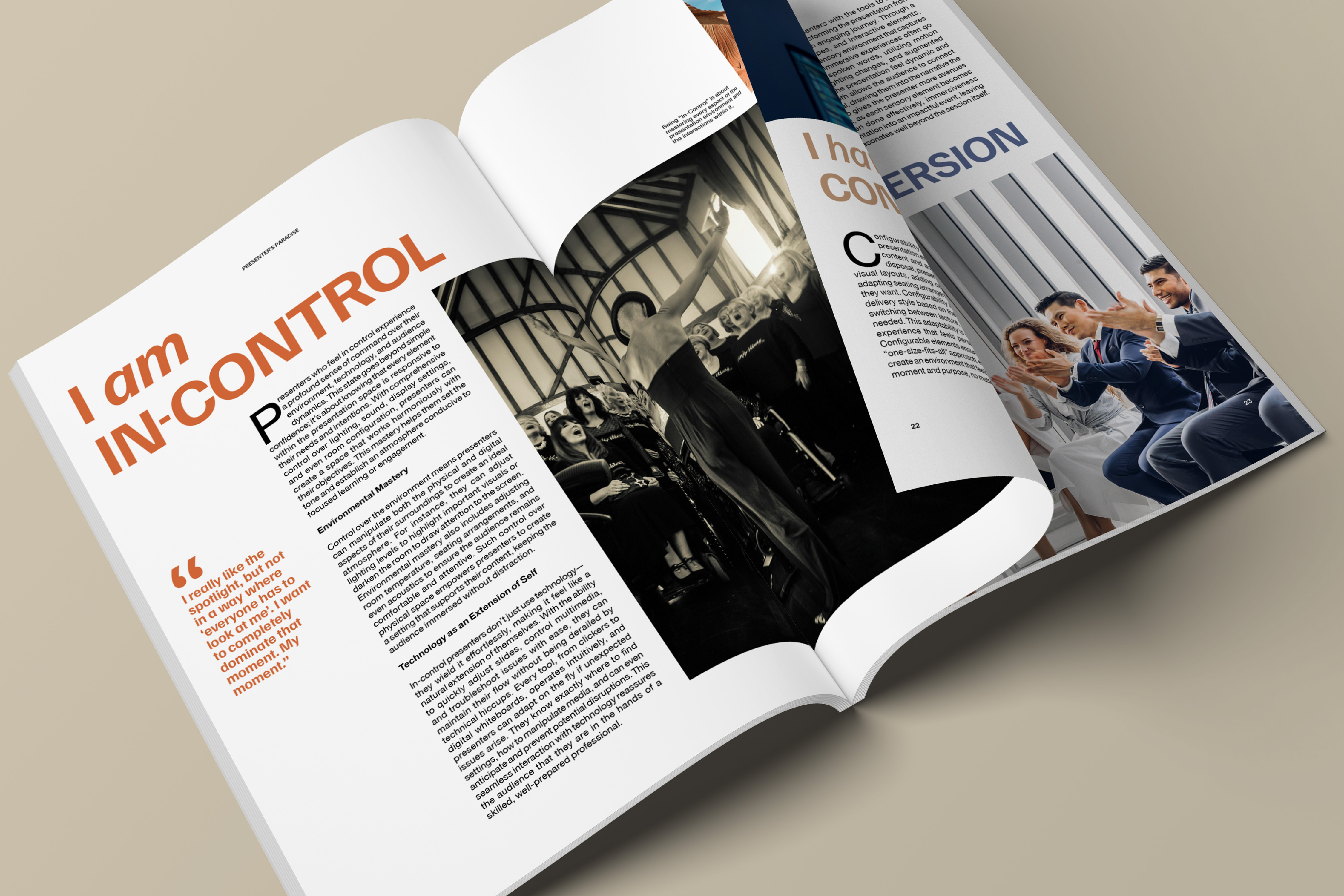
This is the core strategic asset of the project translating themes into a repeatable experience strategy. I co-created this framework to translate our synthesized research into an actionable, human-centered model. It defines Confidence as the ideal emotional state, which is achieved when four key experience pillars are supported by specific, tangible enablers. We created a comprehensive documentation in the form of a client magazine where we shared the user’s perspective.
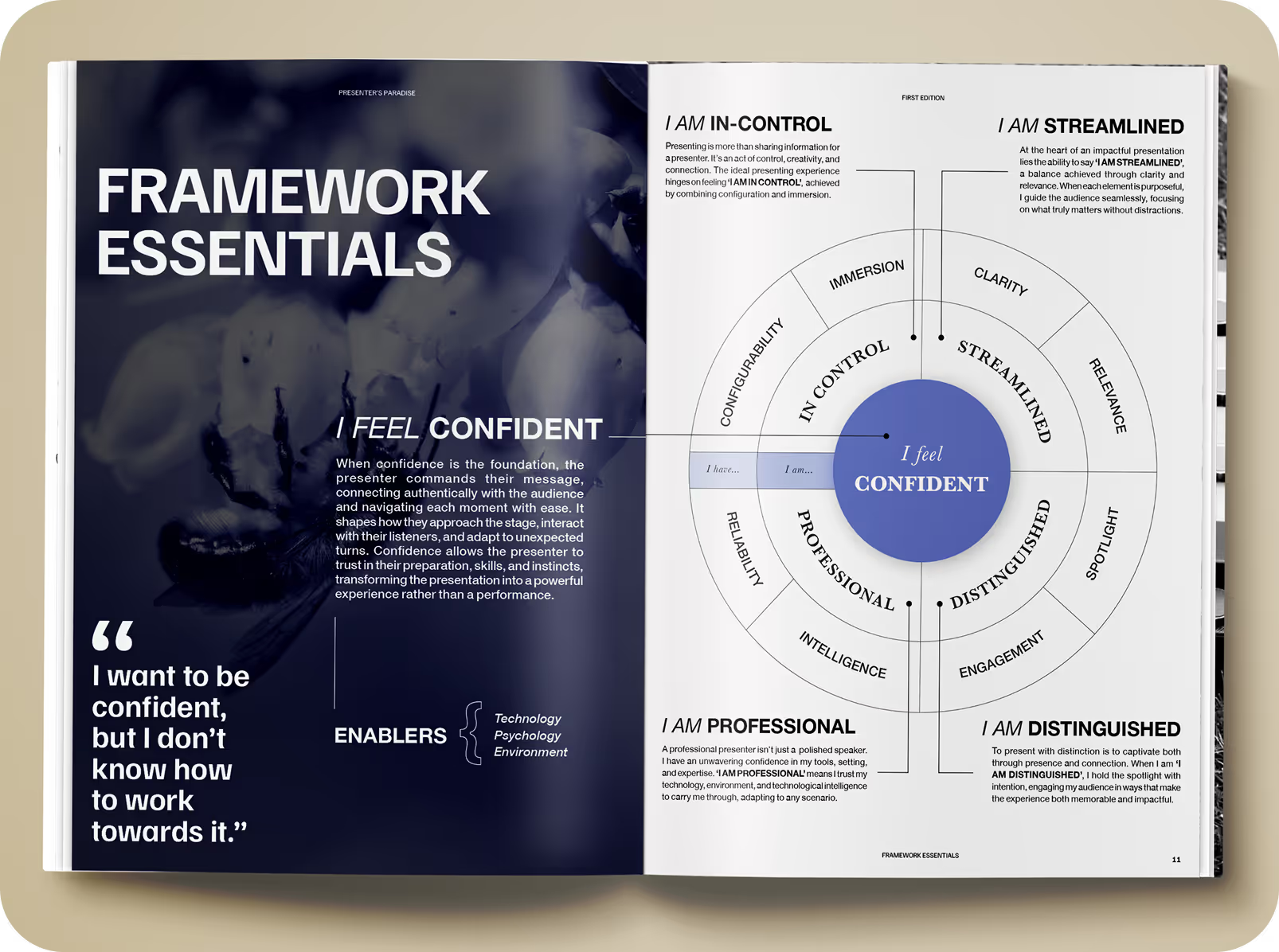
A successful product must activate four specific emotional pillars: Control, Flow, Distinction, and Professionalism.
The framework provided a clear blueprint for innovation. To demonstrate its value, we conceptualized the "Stage Craft Kit" - an ecosystem of products designed specifically to activate the enablers of confidence. This was an experience-led product proposal designed to activate the "I FEEL CONFIDENT" framework.
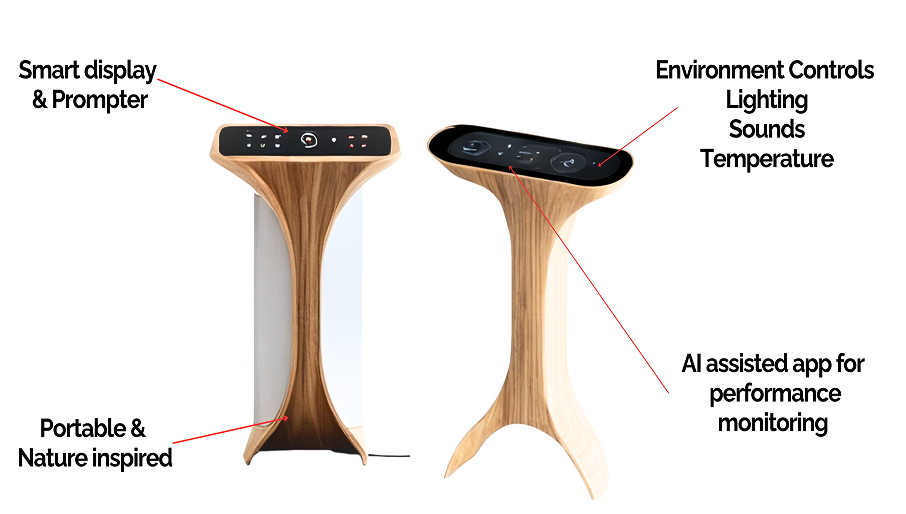
A height-adjustable, tech-integrated surface that centralizes environmental controls (lighting, temperature) for total user autonomy. Provides an AI prompter to enable Configurability and Intelligence.
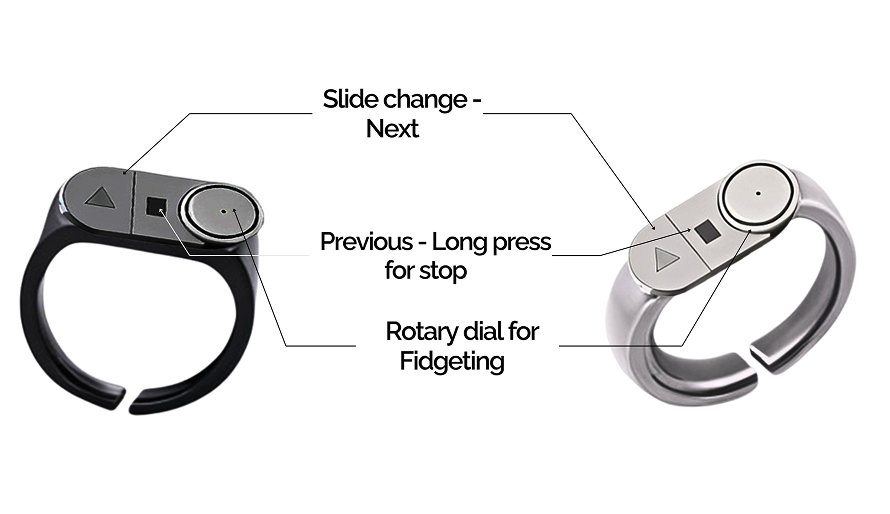
Designed with high-tactility materials and sensory haptics to provide the presenter with confident, non-visual feedback during transitions. Offers reliable controls and a subtle fidget-friendly dial to support Clarity and manage anxiety, enhancing Control.
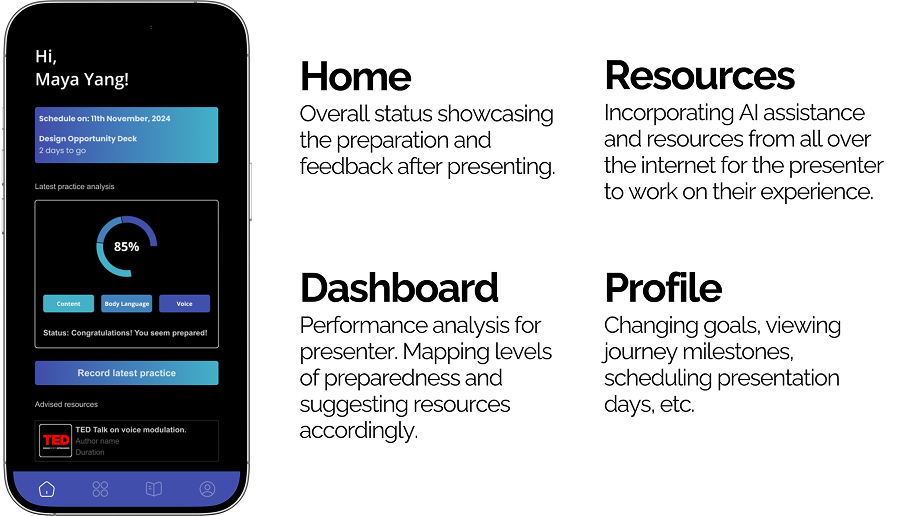
Bridging the gap between prep and delivery by offering real-time AI prompts and post-session performance analytics. Fosters Reliability through practice analysis, AI feedback, and resource mapping, building Professionalism.
This project's true value is not the product concept, but the strategic framework that enables it. It provides a new lens for innovation by focusing on a deeply understood, high-value, and previously neglected user experience.
Uncovered Market Opportunity
Identified a high-value niche in the Ed-Tech and Corporate Productivity markets by reframing hardware as an "Experience Enabler." This project demonstrated a clear, repeatable process for translating complex human insights (the framework) directly into a human-centered product concept (Stage Craft).
Data-Driven Strategy
Moved product development from assumptions to validated human needs through the rigorous Lextant methodology. This process proved the power of Lextant's contextual methods to uncover latent, emotional needs (like the fear of unprofessionalism) that traditional surveys would miss.
Actionable Framework
The "I Feel Confident" model provides a north star for long-term product roadmaps and brand positioning. This framework is a transferable model that can be used to evaluate any presentation tool or environment, identifying gaps and sparking innovation.
In my role as a Design Strategist, I acted as the bridge between raw user data and actionable product strategy. I led the team in translating complex ethnographic insights into the 'I Feel Confident' framework, ensuring that every design choice - from the podium's height to the clicker's haptics - was rooted in a proven human need.
Despite constraints in time and technical budget, we leveraged agile prototyping and intense cross-functional collaboration to deliver a robust proposal. This project reinforced a vital strategic lesson: by focusing on a previously neglected user - the presenter - we uncovered a significant opportunity for innovation. Strategic storytelling, when backed by rigorous research artifacts, has the power to shift strategy in both educational and product contexts.